The History of Cramlington
From a medieval manor and Victorian coal pits to one of England's post-war new towns: the history and heritage of Cramlington.
Cramlington at a Glance
The key moments that shaped Cramlington, from a medieval manor to a modern Northumberland town.
The Manor of Cramlington
The Manor of Cramlington is first recorded in 1135. For centuries Cramlington was a small farming village on the coastal plain of south-east Northumberland.
Coal Mining
Coal drove Cramlington's growth in the 19th century. Collieries at East Cramlington, Cramlington High Pit and West Cramlington brought new pit villages, and the names of places such as High Pit survive today.
The Railway Arrives
Cramlington station opened on 1 March 1847 on the line north from Newcastle, now the East Coast Main Line. Trains still call here today.
St Nicholas' Church
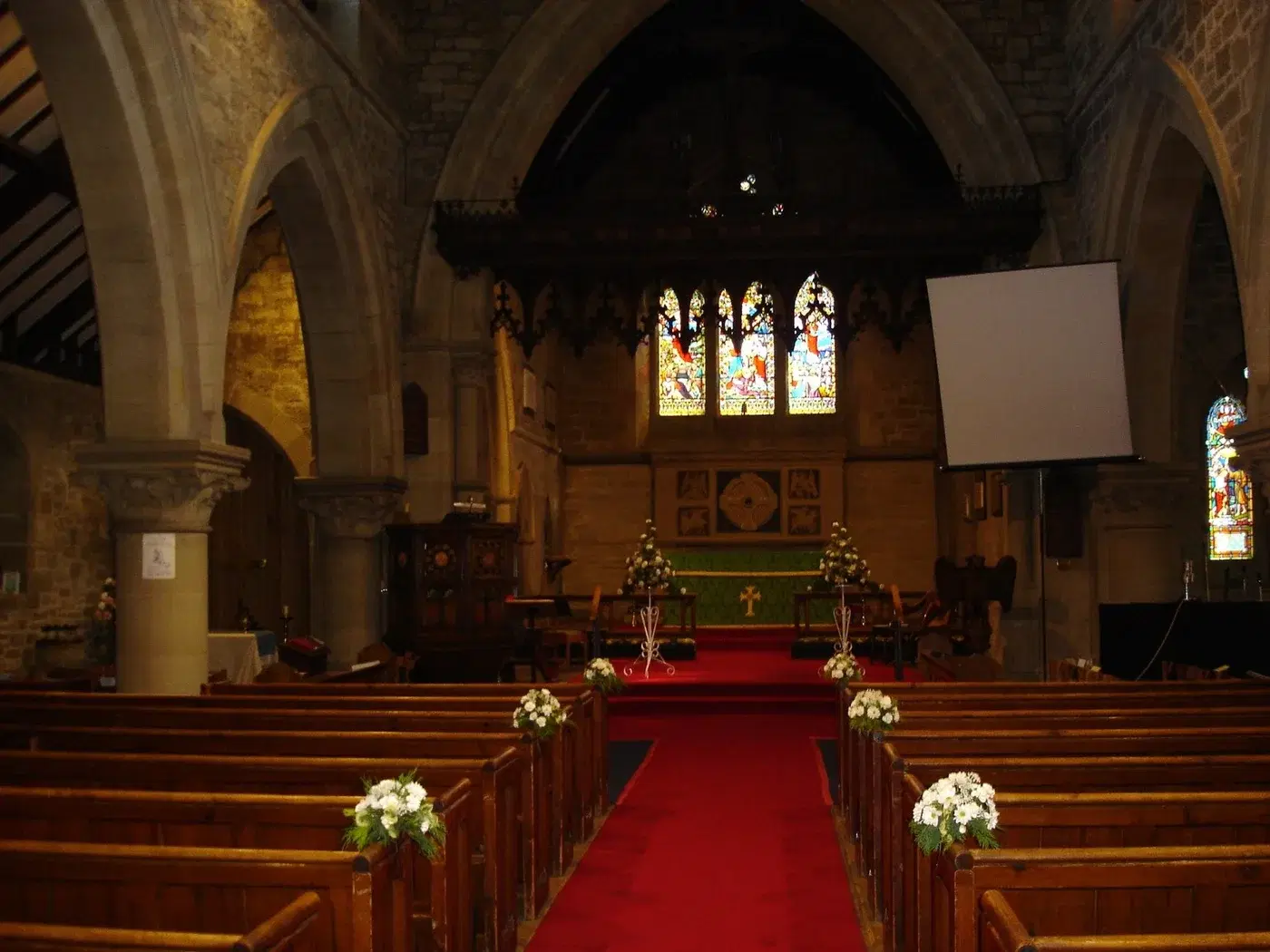
The parish church of St Nicholas was completed in 1868 at a cost of £3,000. It stands in the old village at the heart of the modern town.
A New Town
A new town at Cramlington was first discussed in 1958 and plans were approved in 1961. The Minister approved the scheme in January 1963, and housebuilders William Leech and J.T. Bell began building the estates.
Estates and a Town Centre
Estates such as Parkside and Beacon Hill were built in the 1970s, alongside the town centre that is now Manor Walks. In July 1977 Queen Elizabeth II opened Concordia Leisure Centre.
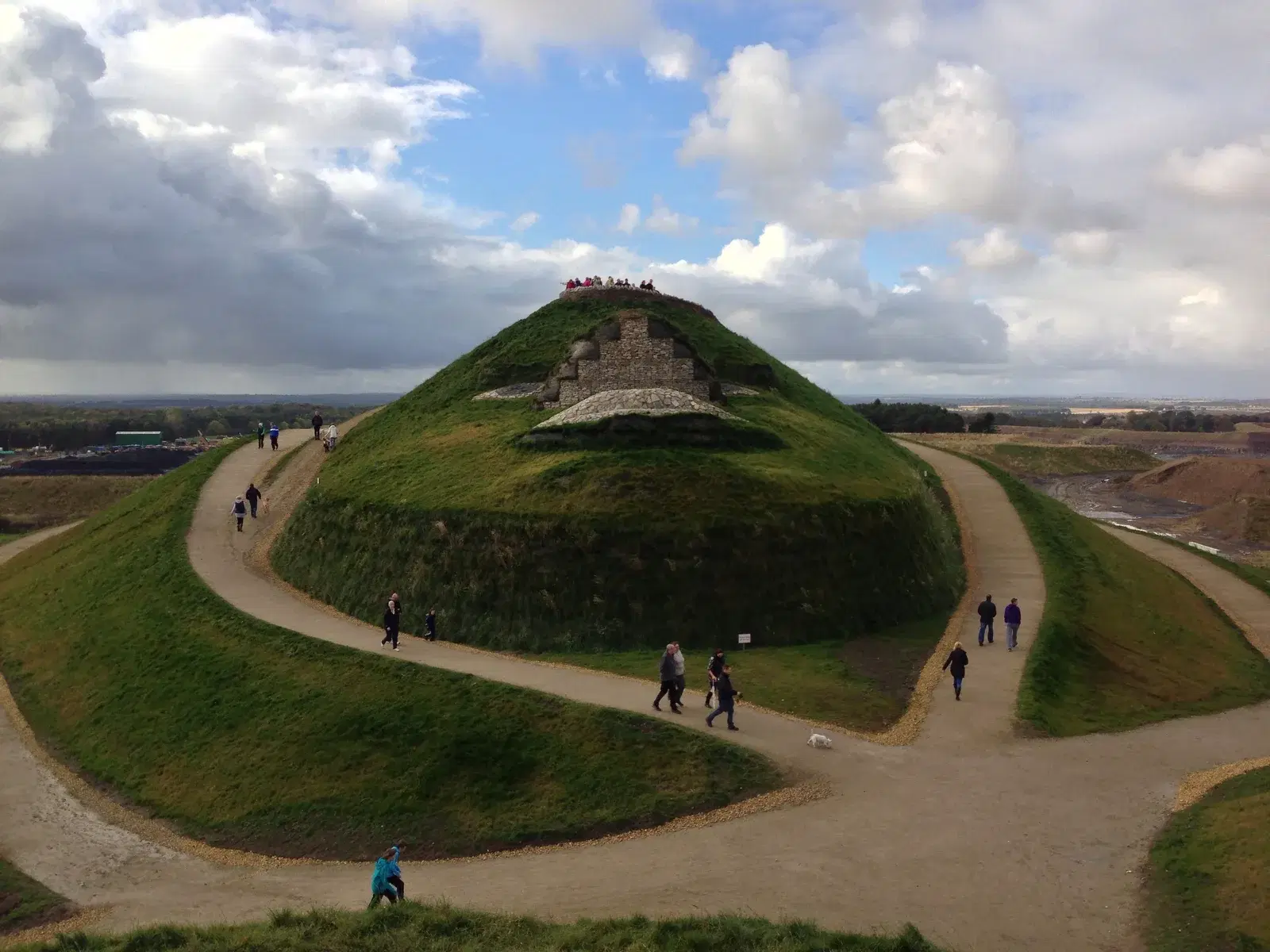
Northumberlandia
Northumberlandia, a 34-metre-high landform sculpture of a reclining woman designed by Charles Jencks, was opened by the Princess Royal on 29 August 2012. It was made from 1.5 million tonnes of earth and rock from the nearby Shotton Surface Mine.
The Emergency Care Hospital
The Northumbria Specialist Emergency Care Hospital opened in Cramlington in June 2015, England's first purpose-built specialist emergency care hospital.
A Northumberland Town
With a population of 28,843 at the 2021 census, Cramlington is one of Northumberland's largest towns, with its own town council, station, hospital and a busy town centre.
Heritage Articles
In-depth stories about the people, buildings and events that shaped Cramlington.
Famous People from Cramlington
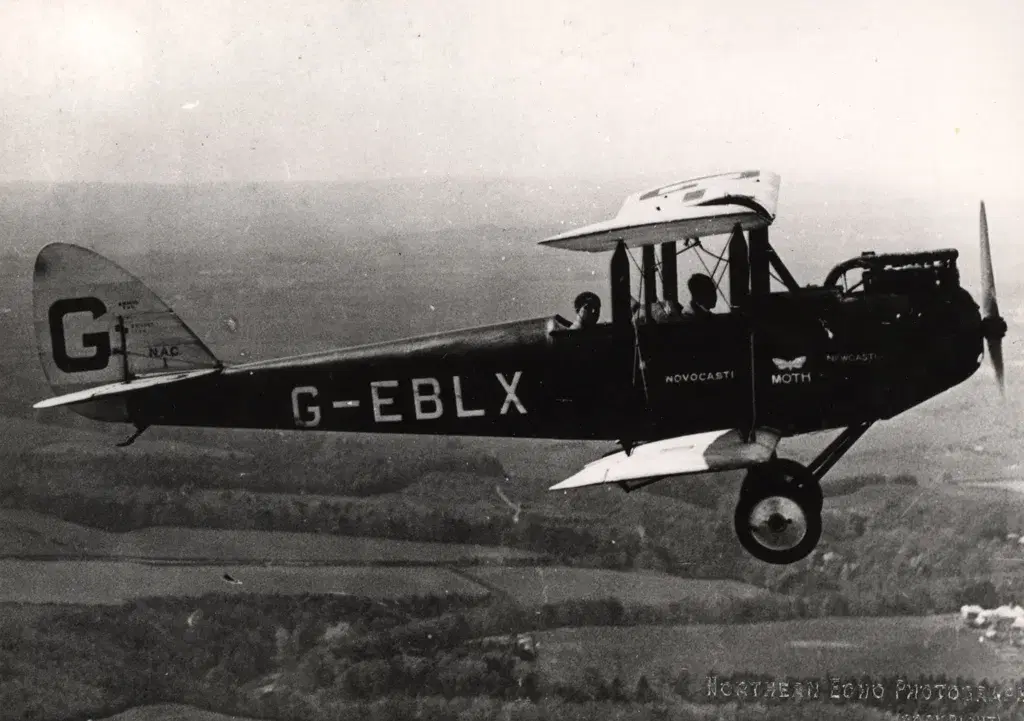
Notable people from Cramlington: miner-turned-MP Charles Fenwick, Burnley and England striker Ray Pointer, Paralympic champion Stephen Miller, pioneering pilot Constance Leathart, comedian Ross Noble, Sting's teaching years and the 1926 train wreckers.
Lost Buildings of Cramlington
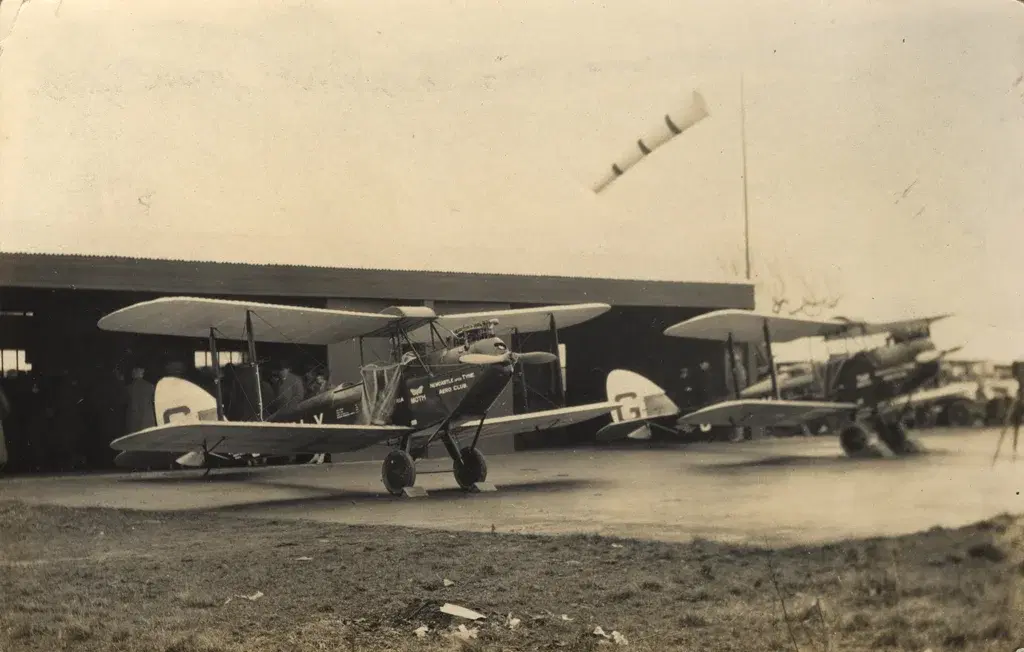
The Cramlington that has vanished: the medieval chapel of St Nicholas, the colliery pits and wagonway, the First World War aerodrome and flying club hangars, and the giant Nelson airship shed demolished in 1967.
Heritage Walking Trail: Cramlington Old Village
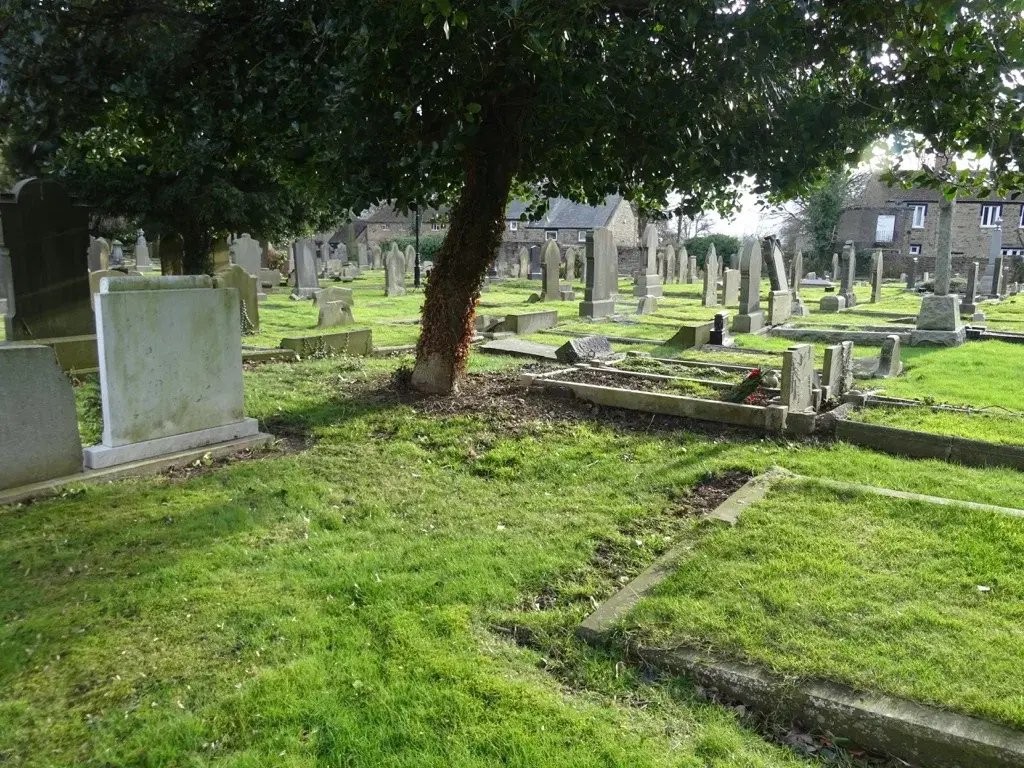
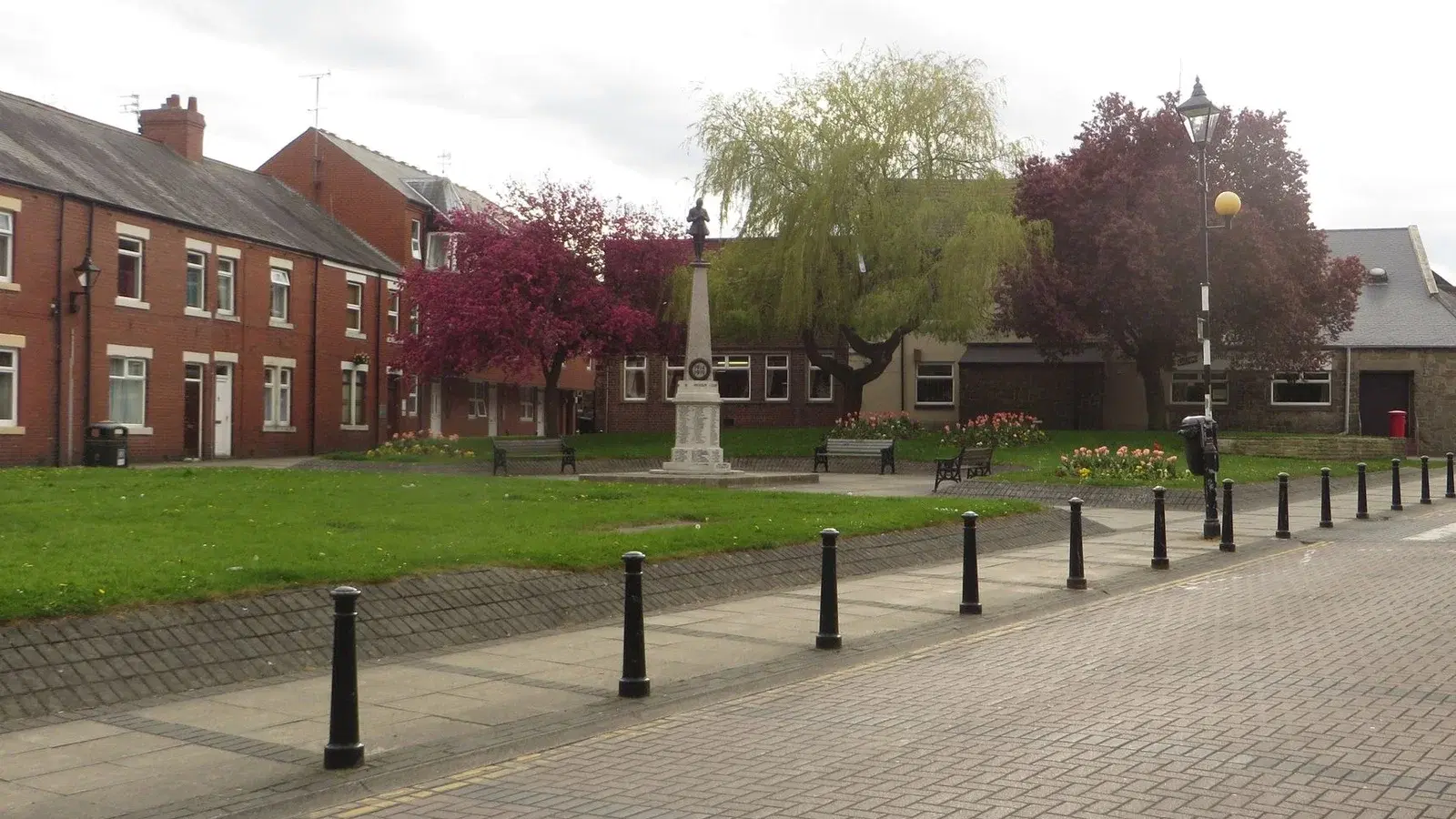
A self-guided heritage walk round Cramlington's old village: the 1922 war memorial, the Grade II listed Blagdon Arms, Georgian Cramlington Hall, Middle Farmhouse, St Nicholas' Church and its 18th-century table tombs, plus Hartford Bridge further afield.
Interesting Facts About Cramlington
From a medieval chapel and colliery waggonways to the 1926 derailment of the Flying Scotsman, a First World War airfield and the world's largest human landform: fifteen facts about Cramlington, each with its source.
Oldest Pubs in Cramlington
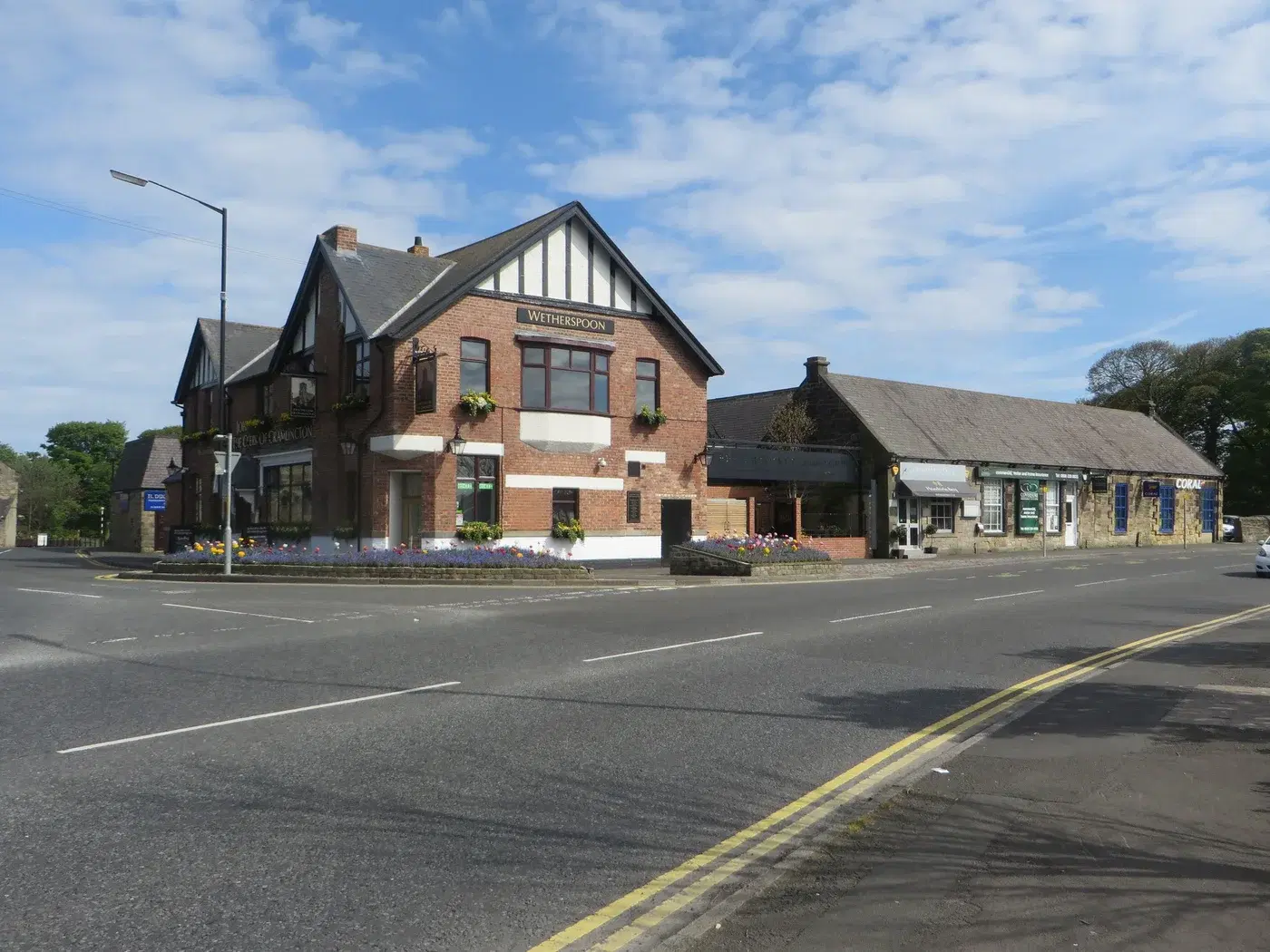
The history behind Cramlington's oldest pubs: the listed Blagdon Arms, once the Blue Bell; the Travellers Rest beer house that became John the Clerk; the Plough in the old Middle Farm buildings; and an 18th-century coaching inn at nearby Stannington.
Cramlington in the World Wars
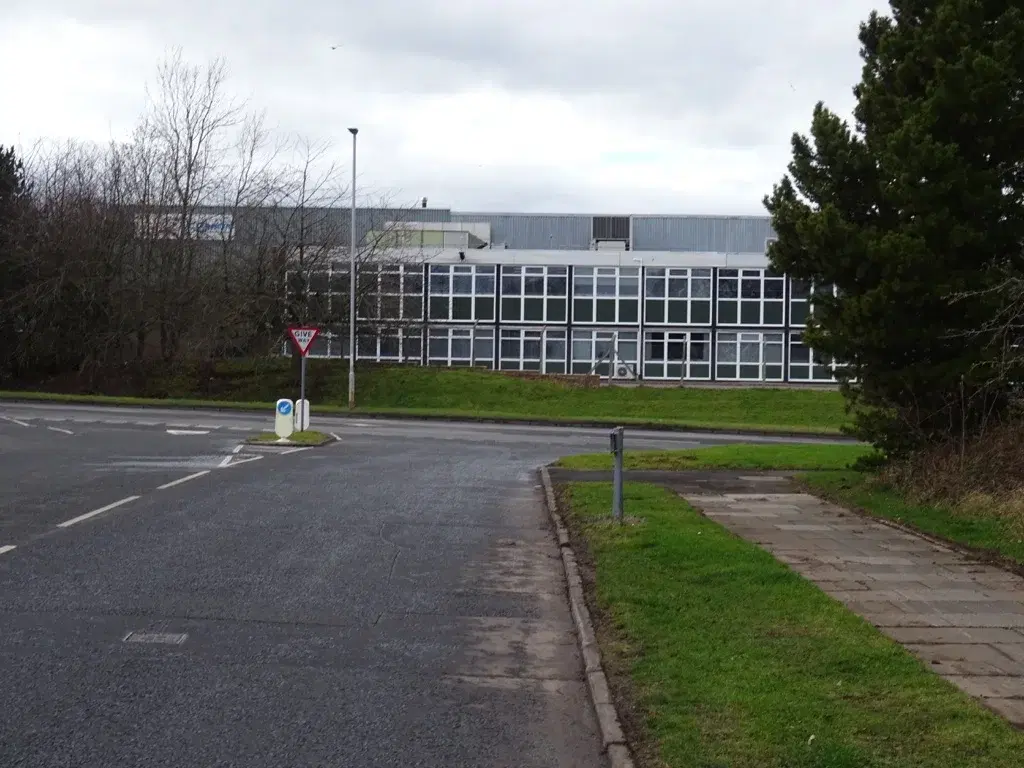
How the two world wars reached Cramlington: Zeppelin bombs in 1915 and 1916, the Royal Flying Corps airfield and the pilot killed defending it, the men on the village war memorial, and a quiet airfield in the Second World War.
Historic Trades and Crafts in Cramlington
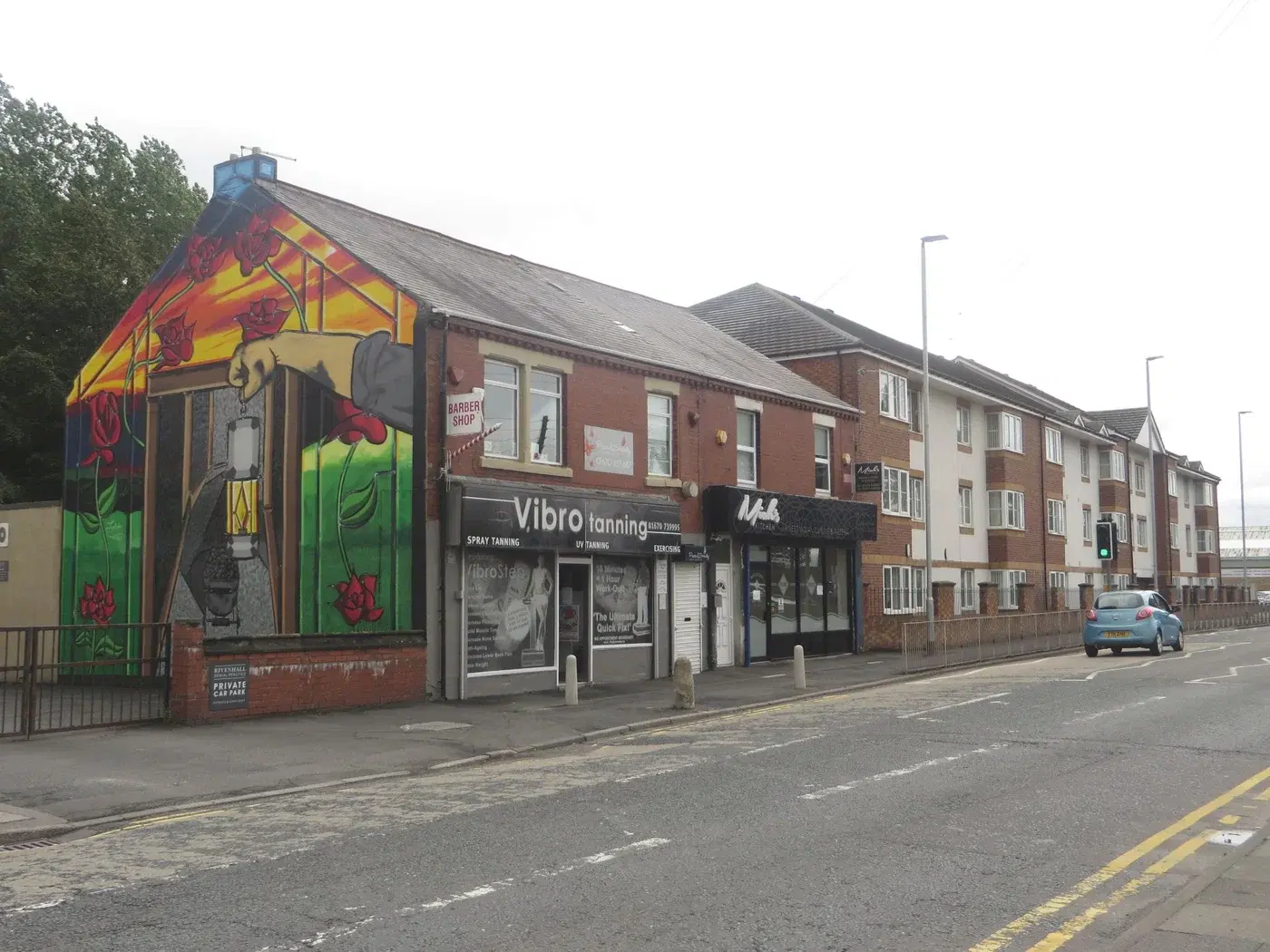
The work that built Cramlington: hewers, putters and screen boys at the colliery, the wagonway men who took the coal to the Tyne, the farms and windmill of the old village, and the factories that came with the new town.
Historic Churches in Cramlington
A guide to Cramlington's historic churches: the Grade II listed St Nicholas' in the old village with its Victorian glass and Georgian table tombs, the Belgian-inspired St John the Baptist at Annitsford, the 1893 Welcome chapel and the new town's St Paul's.